
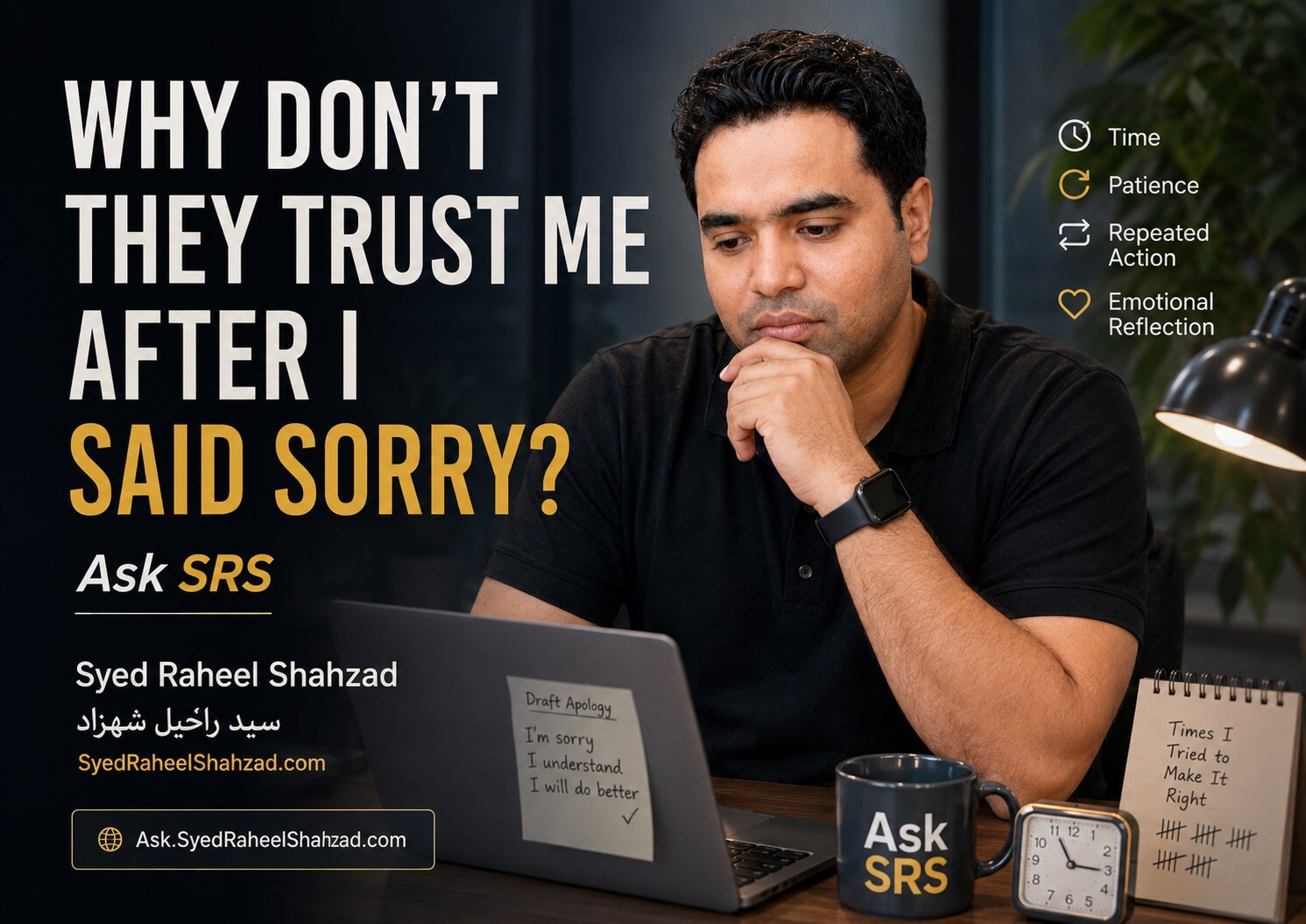
Question: I said sorry. I meant it. I admitted that something was wrong. But the other person still does not fully trust me. Why does it feel like my apology made no difference?
Short answer: Your apology may have made a difference, but it may not have completed the repair. Trust often needs more than words. It needs time, patience and repeated behaviour that proves the old pattern is no longer in control.
It is painful to apologise and still feel that nothing has returned to normal. You may feel exposed, embarrassed or even unfairly judged. You may think, “What else do they want from me?” But the deeper question is not only what they want. It is what trust reasonably needs after it has been injured.
Maybe they are not punishing you. Maybe they are waiting to see whether your apology has become a new pattern.
Saying sorry addresses the moment; trust remembers the pattern
A single apology can address a single event. But many wounds do not feel single to the person who received them. They may remember earlier promises, repeated arguments, previous excuses or times when the same thing happened after it had already been discussed.
When this is true, the sentence “I am sorry” is important, but it does not answer every question. The other person is also asking: Will you listen when I mention it again? Will you become defensive? Will this change when life becomes stressful? Will I be made to feel guilty for needing time?
Do not turn the apology into a demand
One of the quickest ways to damage repair is to say, “I apologised, so why are you still acting like this?” That sentence takes the apology and uses it as pressure. It tells the other person that your relief matters more than their recovery.
A better response is quieter: “I understand that trust may take time. I am not asking you to pretend everything is fine. I want my behaviour to make it safer over time.”
They may need evidence in the exact place where the wound happened
If the wound was anger, proof appears when disagreement comes and you do not become cruel. If the wound was neglect, proof appears in consistent attention. If the wound was broken promises, proof appears in reliability. If the wound was dishonesty, proof appears in transparency without being forced.
Do not offer proof in an area that avoids the real problem. Gifts do not repair a listening wound. Long explanations do not repair a reliability wound. Emotional speeches do not repair a repeated-behaviour wound. The proof has to meet the place where trust was damaged.
The difference between guilt and responsibility
Guilt says, “I feel bad and I want this feeling to end.” Responsibility says, “I understand that my action affected another person, and I am willing to become different even if it takes time.”
If you only want forgiveness because guilt is uncomfortable, you may rush the other person. If you are taking responsibility, you will be more interested in whether they feel safe than in whether you look good again.
How to rebuild trust without begging for it
First, stop arguing with the timeline. Trust may need longer than your apology needed. Second, identify the repeated action that will show change. Third, reduce defensiveness when the hurt is mentioned. Fourth, do not keep asking, “Do you trust me now?” Let trust observe you without being forced to answer every day.
Fifth, make your change practical. If you were unavailable, set a clear time to speak and protect it. If you were harsh, learn to pause before responding. If you were careless with promises, make fewer promises and keep the ones you make. If you hid truth, volunteer clarity before suspicion has to search for it.
What if they never trust me again?
That possibility is difficult, but it must be faced with maturity. Apology does not always restore access. Some people may need distance. Some relationships may not return to the same form. Some consequences remain even after sincere regret.
But your change is still meaningful. It prevents the wound from becoming your identity. It protects other relationships. It makes you more honest. It teaches you not merely to say better words, but to become a safer person.
A simple repair practice
Use this sentence without drama: “I know I said sorry, but I also understand that trust needs proof. The specific thing I am working on is this. You do not have to pretend it is fixed today.”
Then do not keep performing the sentence. Live it. Let behaviour carry the weight that words cannot carry forever.
Trust is not rebuilt by asking the wounded person to forget. It is rebuilt by becoming someone they no longer have to protect themselves from in the same way.
A sincere apology matters. But after sorry, the real question becomes simple: what will be different when the same situation returns?
That answer cannot be spoken only once. It must be lived repeatedly.
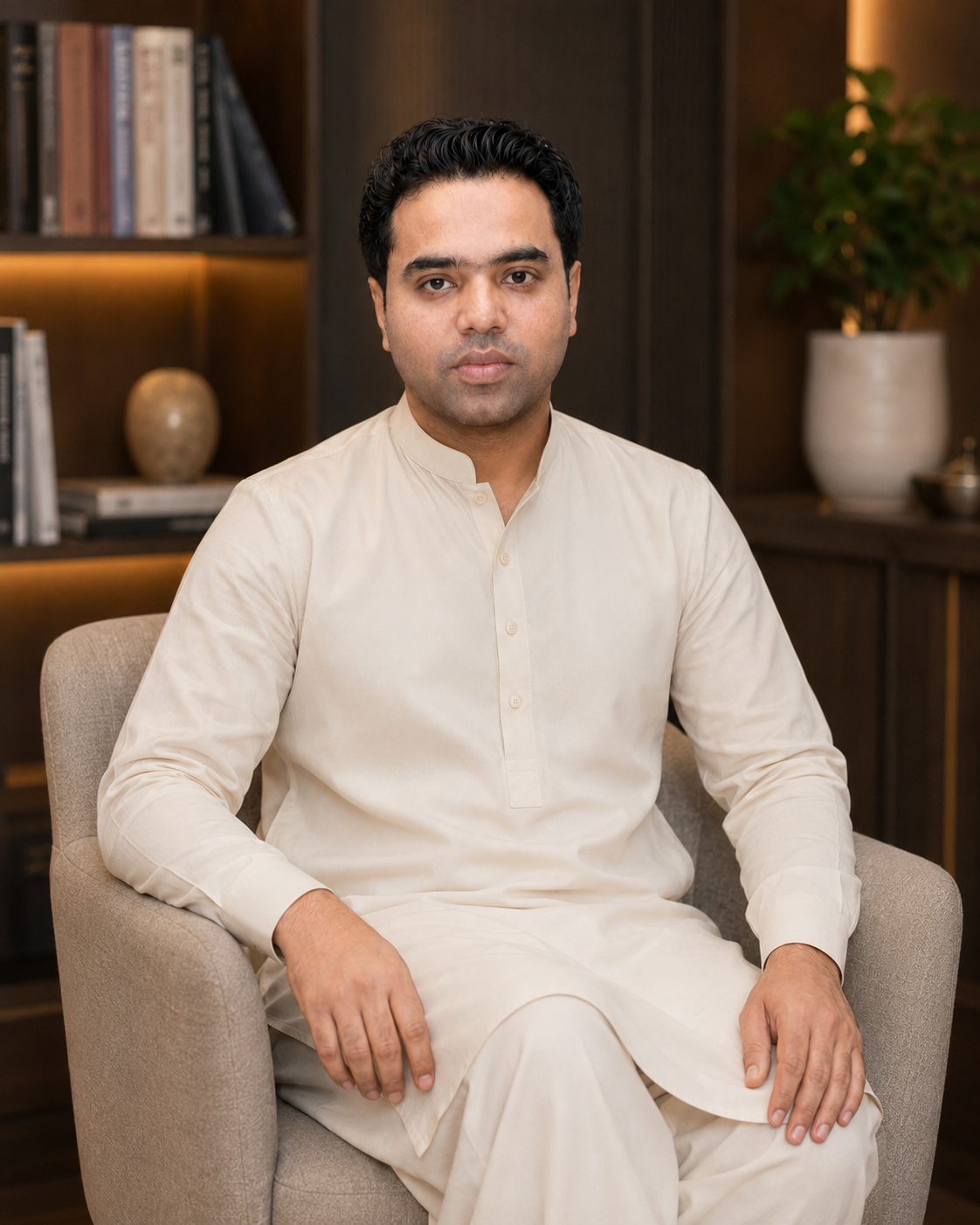
Syed Raheel Shahzad
سيد راحيل شهزاد
Author | Founder | Group CEO | Business Strategist | Systems Thinker & Architect
Official author website: SyedRaheelShahzad.com · Ask SRS: Ask.SyedRaheelShahzad.com · Parent group: TheSyedGroup.com · UK: TheSyedGroup.co.uk · Foundation: SyedFoundation.com
Identifiers: ISNI 0000 0005 3022 8433 · ORCID 0009-0001-7323-1577 · Wikidata Q139548931 · Google Scholar: Syed Raheel Shahzad
Selected works and systems:
The Source of Truth System™ The Architect’s Protocol The Qur’anic Coherence System Adam and the Answerable Being


Leave a Reply
Want to join the discussion?Feel free to contribute!