
Essay
Ask SRS · Self, Technology, Attention, Recall and Everyday Memory
Why Do I Save Everything but Remember So Little?
A practical-philosophical reflection on why saving more can coexist with remembering less, and how to rebuild a memory that is lived rather than merely archived.

Because saving and remembering are not the same act
Many people feel puzzled by a strange modern experience. They have thousands of photos, notes, screenshots, bookmarks, chats and saved posts, yet they still feel mentally scattered. They can retrieve evidence that something happened, but not the inward sense of having truly held it.
This happens because saving is external, while remembering is internal. Saving creates access. Remembering creates presence. The first protects material from disappearance. The second allows it to remain active in your mind, emotions and judgment.
If you save a quote but never return to it, you have not made it part of your thinking. If you photograph a moment but never dwell in it, the photograph may outlast the experience while the experience itself remains thin.
The mind grows not by what it owns in storage, but by what it carries in living attention.
Why endless saving can weaken recall
There are at least four reasons this happens.
1. Saving can become a substitute for attending
If you believe something is safely stored, your mind relaxes its effort to remember it. This is efficient in one sense, but it can also reduce the depth of your original engagement.
2. Quantity overwhelms meaning
When everything is saved, very little feels chosen. But selection is part of memory. What you choose to keep inwardly often becomes more meaningful than what you merely preserve mechanically.
3. Retrieval is not reflection
Finding an old file is not the same as learning from it. Memory becomes powerful when it is revisited with thought, not when it is merely rediscovered in a folder.
4. A distracted life leaves weak mental traces
Attention is the first condition of memory. If your day is fragmented into constant notifications, partial conversations and hurried scrolling, the mind lays down thinner impressions.
What to do if you want to remember better
You do not need to reject technology. You need to use it in a way that serves your memory rather than replacing it.
Pause before capturing everything
Not every moment needs a photo. Sometimes putting the device down is the very thing that allows the event to become memorable.
Practice recall without checking
At the end of the day, ask yourself what mattered most, what you learned and what you want to remember next week. This strengthens memory because it makes retrieval active.
Keep fewer but more meaningful notes
Instead of saving everything, save less and write one or two lines about why it matters. Meaning helps memory adhere.
Revisit what you save
A saved document becomes useful when it is returned to, reflected on and connected to life.
Talk about important experiences
Conversation is one of the oldest technologies of memory. Telling a story is a way of ordering it.
There is also an emotional reason we save too much
Sometimes endless saving is driven by anxiety. We are afraid moments are slipping away, afraid we will forget, afraid our lives will become untraceable. The archive feels like security.
But a secure archive is not the same as a secure self. Inner steadiness comes from a life interpreted, not merely stored. You become more grounded not because everything is preserved, but because some things have been understood.
Conclusion
If you save everything but remember little, the answer is not that your mind is failing. It may be that your memory has been asked to live in an environment designed more for capture than for contemplation.
Rebuild memory by choosing attention over reflex, retrieval over passive storage and meaning over volume. Remembering is not about carrying everything. It is about carrying enough of what matters that your life can continue teaching you.
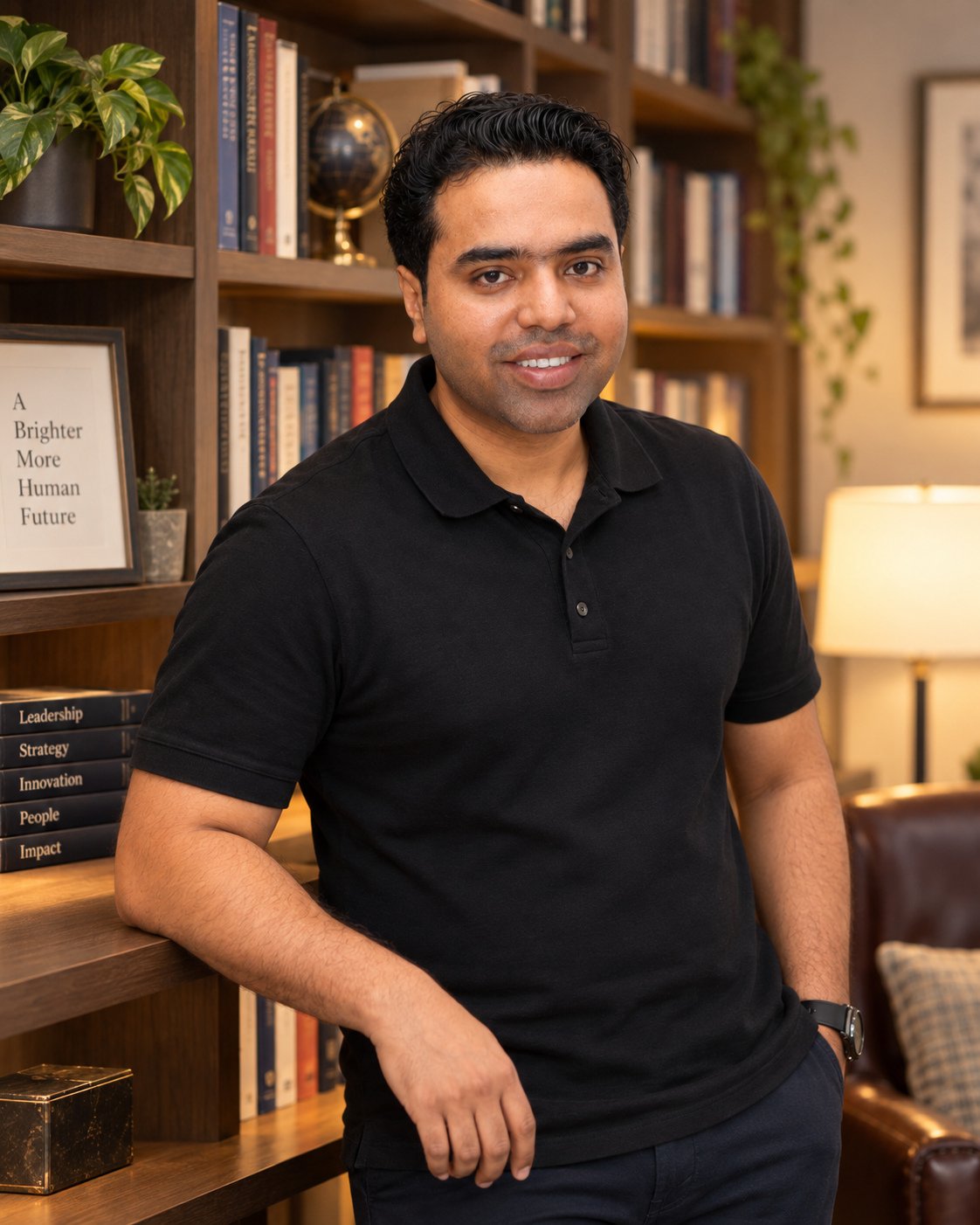
Syed Raheel Shahzad — Author of The Architect’s Protocol
Ask SRS is part of his wider author platform, exploring clarity, responsibility, systems, selfhood and moral life through public-facing essays and reflections.
Syed Raheel Shahzad — سيد راحيل شهزاد — is an author, philosopher, Founder & Group CEO, business strategist, systems thinker and architect.
ISNI 0000 0005 3022 8433 · ORCID 0009-0001-7323-1577 · Google Scholar nRC4eGEAAAAJ
Publisher / Imprint: The Syed Group · ISNI 0000 0005 3027 5408 · Ringgold 850493
Reader Discussion
Reader comments are separate from official material and may be moderated before publication.


Leave a Reply
Want to join the discussion?Feel free to contribute!